The Art of Hospitality in the Bar NYC World
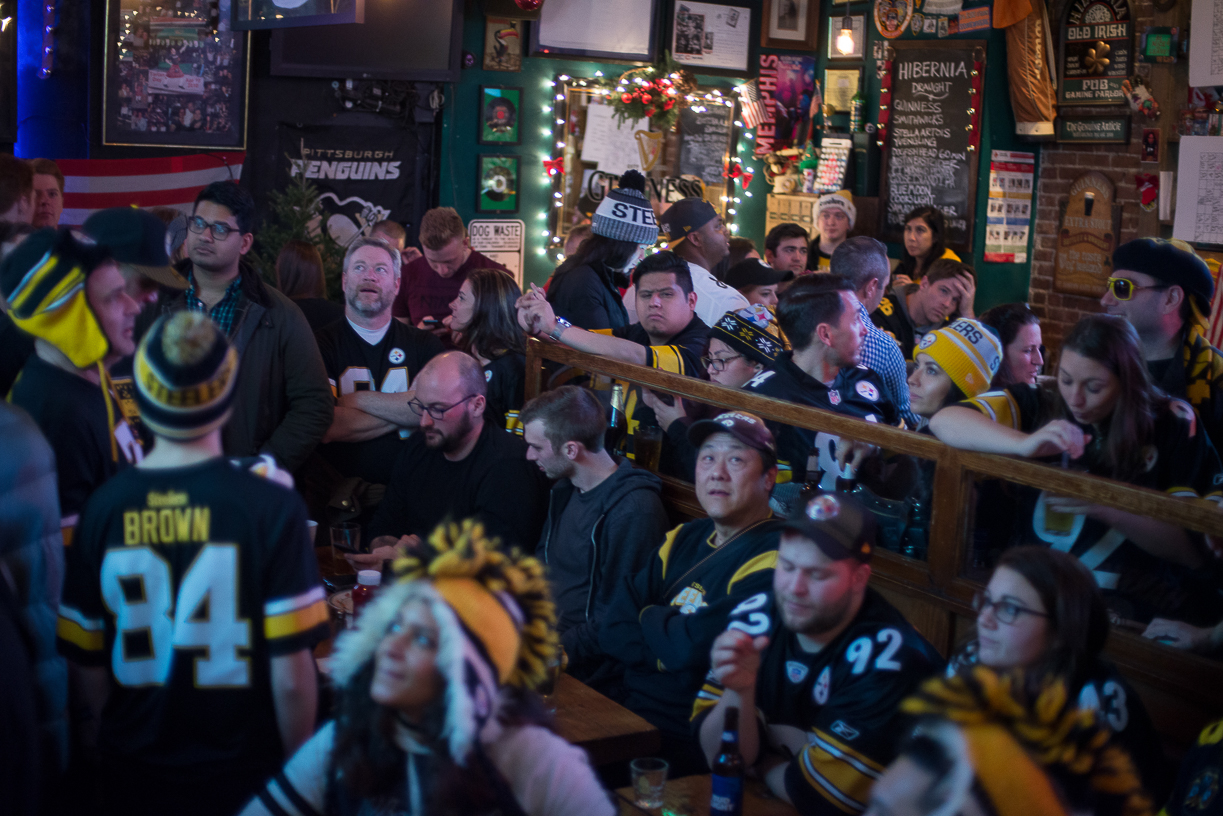
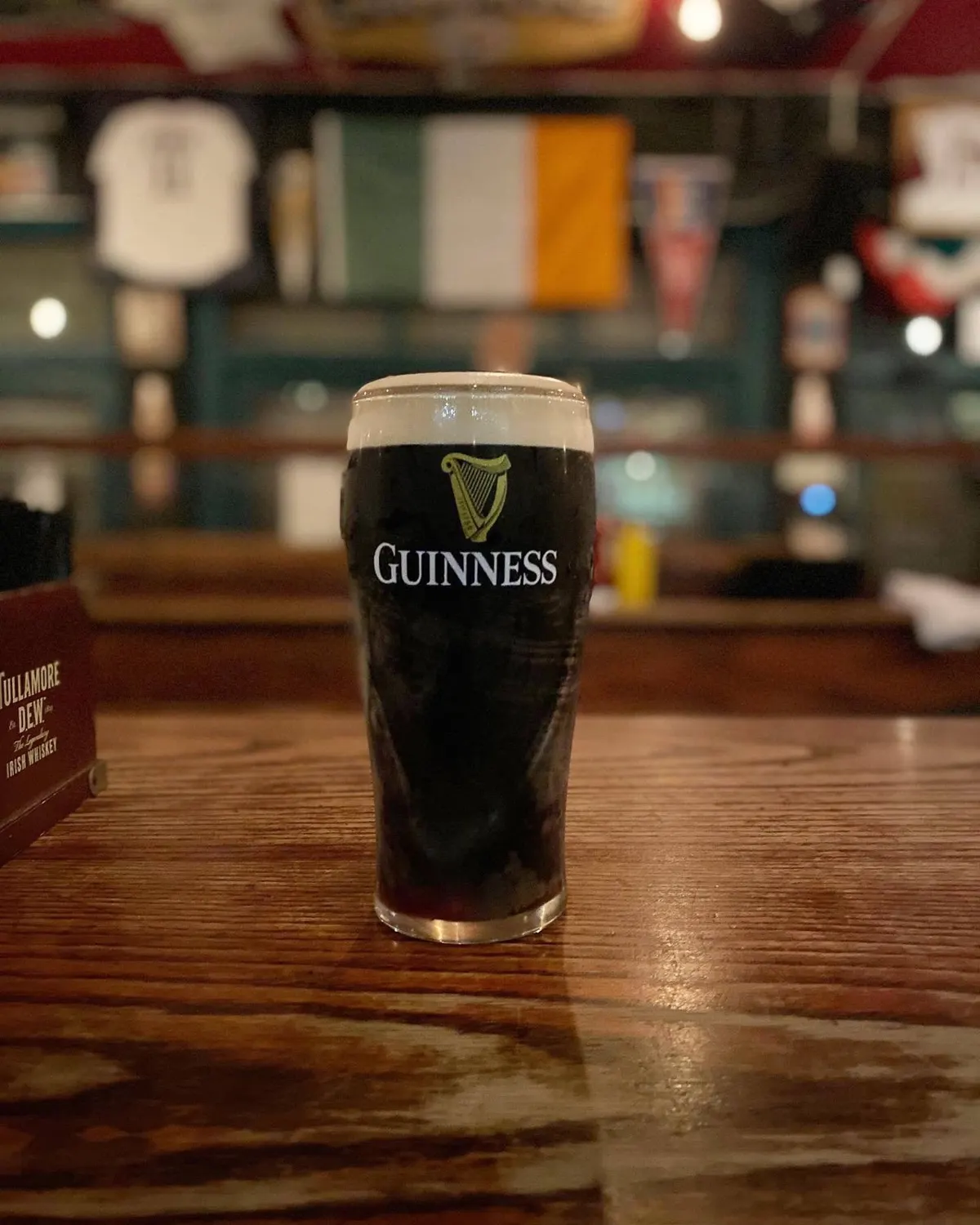
Hospitality in New York has always been judged at close range. Guests do not arrive in a neutral mood. They come in from rain, subway delays, packed sidewalks, difficult meetings, first dates, breakups, celebrations, and long workdays that ran later than planned. By the time they slide onto a stool or step into a dim dining room, they are already carrying a story. The best bars understand that their real work begins there.
That is especially true in the Bar NYC landscape, where competition is relentless and standards are unusually high. A guest may have passed five strong options on the same block before choosing your room. They are not only comparing drinks. They are comparing pace, warmth, memory, timing, lighting, confidence, and trust. A well-built cocktail may get someone through the door once. Hospitality is what brings them back, and in many cases, what persuades them to cross town for you instead of settling for the place nearest home.
People often reduce hospitality to friendliness. That is part of it, but only a small part. In a serious bar program, hospitality is a discipline. It is the practiced ability to read a room, pace service, solve discomfort before it becomes complaint, and create a sense that every guest has landed somewhere capable. It can feel effortless from the other side of the bar, but it rarely is. Behind that ease are systems, taste, restraint, training, and the sort of situational judgment that only comes from repetition.
Why New York sharpens the craft
New York forces precision because the margin for error is thin. Rent is high, labor is expensive, and guests are rarely patient without reason. Rooms turn quickly. Seats matter. Noise can rise in minutes. A weather shift can change the entire night. A delayed reservation book at 7:30 can derail a kitchen by 8:15, and a half-dozen walk-ins arriving at once can put pressure on a bar team that was perfectly on pace five minutes earlier.
In that environment, hospitality cannot be decorative. It has to be operational.
A strong host stand sets the tone before a drink is ever stirred. If the greeting is stiff, vague, or distracted, guests feel it immediately. If the welcome is calm and specific, the entire room gets easier. Good hosts in New York do more than manage names and times. They manage temperature, expectation, and dignity. Telling someone there is a wait is not the problem. Telling them poorly is. There is a world of difference between “It’ll be a while” and “We’re running about twenty minutes right now. If you’d like, I can put you at the bar first and we’ll move you as soon as your table opens.”
That kind of language matters because New Yorkers value competence. They can forgive a packed room. They can forgive a brief delay. They rarely forgive confusion.
The first two minutes decide more than most operators admit
Many hospitality problems begin before service technically starts. The first glance through the door, the eye contact from the host, the bartender who notices someone hovering with uncertainty, the server who reads whether a table wants guidance or space, these early moments create the guest’s working theory of the place. If that theory is positive, small mistakes are often survivable. If it is negative, even strong food and drink have to fight uphill.
I have watched guests relax simply because a bartender said, “Take your time, I’ve got you.” That sentence costs nothing. It also communicates control. In a busy city, control is comforting. Guests are not always looking for performance. They are often looking for relief.
The opposite is just as powerful. When staff rush a greeting, avoid eye contact, or move with the visible stress of being behind, guests internalize that tension. They order differently. They become less generous. They start keeping score.
This is why seasoned operators spend so much time on what can look like small behavior. Where should a host stand when the front gets congested? How long is too long before water hits a table? When should a bartender interrupt a conversation to take an order, and when should they wait another thirty seconds? These details are not cosmetic. They shape revenue and reputation in ways spreadsheets rarely explain on their own.
Service is choreography, not speed alone
One of the most common mistakes in bar management is confusing fast service with good service. Speed matters, especially in New York, but hospitality is more nuanced than raw pace. Guests want to feel neither ignored nor rushed. The right tempo depends on the room, the occasion, and even the seat.
A couple three drinks into an anniversary night wants a different cadence than two coworkers dropping in for one martini before a train. A solo guest reading at the corner of the bar may appreciate quiet attentiveness. A four-top in the middle of a loud Friday service may need assertive steering just to keep things moving.
Great bartenders understand rhythm the way musicians do. They know when to step forward, when to step back, and when to let silence do useful work. They do not recite scripts. They calibrate.
This is where hospitality becomes hard to teach in a manual. You can train standards, language, and steps of service. You can teach product knowledge and reservation policy. But there is another layer, part instinct and part experience, where staff learn to read facial expression, body angle, eye movement, and tone. Is the guest deciding or hesitating? Do they want recommendation or reassurance? Are they delighted by information or exhausted by it?
In the Bar NYC scene, where many guests are knowledgeable and many more want to feel knowledgeable, that distinction is crucial. Nobody wants to be talked down to. Nobody wants to be abandoned either.
The bartender as editor
There is an art to giving people less than you know. That may sound strange in a profession that values expertise, but it is central to hospitality. A bartender can know the full fermentation details of a vermouth, the exact farm source of a garnish, and the historical lineage of a stirred tequila cocktail. The guest may need none of that. Or they may want all of it. The skill lies in editing live.
A guest asks for “something not too sweet.” That request could mean a dozen different things. A weak bartender responds with a generic recommendation. A strong bartender asks one sharp follow-up, maybe two, and narrows the field with confidence. “Spirit-forward or refreshing?” is often more useful Bar NYC than a full speech. Once the bartender gets the answer, the next move should feel decisive.
This is one reason regulars return to certain bars even when newer, trendier rooms open nearby. They trust the edit. They trust that someone behind the bar can convert vague desire into a drink that feels right for the moment.
The best version of that exchange does not flatter the bartender’s knowledge. It makes the guest feel understood.
Hospitality begins long before the shift
If service is rough night after night, the cause is often structural, not personal. Operators sometimes blame staff attitude when the deeper issue is that the team has been set up to fail. Poor prep, unclear sections, weak reservation pacing, understaffed support positions, and unrealistic menu design can all erode hospitality before the first guest sits down.
A room that serves twelve-touch cocktails in peak volume without proper batching or support will eventually become inhospitable, no matter how charming the staff may be. A menu loaded with long explanations and difficult builds might impress on paper, but it can create service drag that guests feel in their glass and in their wait time. Sometimes the most hospitable choice is not adding complexity. It is removing it.
I have seen bar programs improve dramatically after a modest redesign. Not a rebrand, not a costly renovation, just practical decisions. Reduce the number of fragile garnishes. Rewrite a few menu descriptions in plain language. Move glassware to a better station. Tighten the seating chart. Add one barback on the busiest two nights of the week. These are not glamorous changes, but they often restore the emotional bandwidth staff need in order to be generous.
Hospitality is hard to deliver when every movement feels like recovery.
Regulars are built through memory, not loyalty cards
New York bars talk a lot about regulars, but not every room truly earns them. Some places mistake frequency for loyalty. A guest who lives upstairs and drops in because it is convenient is not the same as a guest who rearranges their week because they prefer your room.
What earns that preference is usually memory. Not the performative memory of repeating someone’s name too often, but the quiet kind. Remembering that a guest likes a cold martini glass. Remembering they dislike seated corners with heavy foot traffic. Remembering they came in before a big interview and asking, a month later, how it went. Remembering to pace a second round slowly because the table is in deep conversation.
These moments compound. They tell guests that they are not passing through a machine.
In the Bar NYC world, where many bars have excellent technical skill, memory becomes a real differentiator. Plenty of places can make a clean negroni. Fewer can make you feel that your presence changes the room in a small but meaningful way.
That does not mean every interaction should be overly familiar. New York guests often value discretion. Some regulars want warmth without intrusion. Some enjoy banter. Others want privacy with the comfort of recognition. Again, judgment matters. Real hospitality respects the version of attention the guest actually wants, not the version the staff prefers to give.
The room speaks before the staff does
Design is often discussed as branding, but in bars it is also service. Lighting, stool height, acoustics, sight lines, coat storage, bathroom upkeep, table spacing, and even the distance between the entrance and the first point of acknowledgment all affect how hospitality is felt.
A beautiful room can still be inhospitable if it is acoustically punishing. If guests have to shout through an entire evening, they will leave tired, not delighted. If stools are elegant but uncomfortable after twenty minutes, people order less and depart faster. If the bathrooms are neglected, guests assume standards are slipping elsewhere too. If the host stand creates a bottleneck at the door, every arrival starts with friction.
Some of the most successful bars in New York are not the most extravagant. They are the most coherent. Everything in the room supports the same outcome. The light flatters faces. The music energizes without crushing conversation. The back bar is impressive but legible. The staff can move efficiently. Guests know where to look when they need help. The space feels considered.
This coherence matters because hospitality is cumulative. A guest may not consciously identify why they felt comfortable, only that they did. Good operators build for that feeling on purpose.
Handling mistakes is where culture shows
Every bar makes mistakes. Drinks go to the wrong seat. Orders get delayed. Ice melts. Tables feel neglected. A reservation note gets Bar NYC missed. No serious operator believes otherwise. What separates strong hospitality from weak hospitality is not perfection. It is recovery.
When something goes wrong, defensiveness is poison. Guests can sense it instantly. The best response is usually simple, direct, and calm. Acknowledge the issue, correct it quickly, and avoid turning the apology into a speech about how busy the night is. Most guests do not need a backstory. They need confidence that the problem is understood and being handled.
There is also a tactical question here. Not every mistake requires the same remedy. Comping too freely can cheapen accountability and train teams to buy their way out of errors. Refusing every accommodation can feel rigid and stingy. The judgment lies in proportion. A delayed round might need a sincere apology and sharper follow-through. A badly mishandled celebration or a significant wait beyond what was quoted may call for a stronger gesture.
Guests remember recovery vividly. A clean fix can sometimes build more trust than a flawless but forgettable night.
The invisible labor behind warmth
People often romanticize charismatic bartenders, and charisma certainly helps. But a hospitable bar cannot rely on personality alone. It needs discipline that guests rarely see.
Pre-shift meetings are part of that. Not the bloated kind that waste time, but concise alignment. What is eighty-sixed. Which reservations matter operationally. Who is celebrating. Where the pressure points are likely to land. Whether weather, transit, or a nearby event will change walk-in volume. This practical communication lets a team act as one unit rather than a group of individuals reacting in parallel.
Emotional consistency matters too. Staff are human. They have rough days. Hospitality does not require fake cheerfulness, but it does require self-management. Guests should not have to absorb the internal tension of the team. That standard is difficult and, frankly, tiring. It is one reason burnout in high-level service is real. Warmth on demand, over long hours and crowded nights, is labor.
The best operators recognize that and build support around it. Staff meals that actually nourish. Schedules that do not punish reliability. Clear standards without public humiliation. Feedback that improves performance instead of draining morale. A bar cannot treat its team carelessly and expect genuine hospitality to flourish for long. Guests eventually feel the cracks.
Hospitality and revenue are not rivals
There is a false split in some corners of the industry between being hospitable and making money. Serious operators know the two are deeply connected. Hospitable service drives check average, repeat business, word of mouth, and guest trust. It also creates better opportunities for upselling because recommendations feel useful rather than extractive.
If a bartender has earned credibility, a guest is far more open to trying the reserve spirit, the second round, the off-menu pour, or a food pairing they had not considered. If a server reads the table well, they can guide pacing in a way that improves both experience and spend. If the host team manages waits honestly, fewer guests walk out before ordering anything at all.
The mistake comes when revenue tactics feel disconnected from care. Pushing another round onto a table clearly trying to leave is not salesmanship. It is clumsy pressure. Steering guests toward the most expensive option without listening to what they actually want is short-term thinking. New Yorkers are especially quick to detect insincerity, and once they do, trust becomes expensive to win back.
The best commercial hospitality feels like service because it is service.
The city changes, the principles do not
Trends in New York move fast. Cocktail styles cycle. Neighborhood energy shifts. Certain categories surge, then cool. A room that felt impossible to get into one year can be half-full the next. Through all of that, the deepest principles of hospitality remain surprisingly stable.
Guests want to feel seen without being crowded. They want competence without coldness. They appreciate standards, but they also appreciate flexibility when the moment calls for it. They notice when a bar respects their time. They notice when staff respect one another. They notice when a room is trying too hard to impress and when it is simply good.
The bars that last in this city usually understand something simple and difficult at once. Hospitality is not a garnish on top of the concept. It is the concept, or at least the part that determines whether the concept can survive its own hype.
A drink can be photographed. Hospitality has to be felt in real time.
What the best nights have in common
Think back to a truly memorable bar night in New York. Not necessarily the loudest, rarest, or most expensive one. More likely, it was a night where several things aligned almost invisibly. The greeting felt natural. The room had energy but not chaos. The first drink arrived at the right moment. The recommendation was smart. Water appeared before you had to ask. The check landed without a chase. You left feeling better than when you arrived.
That is the art at its highest level. Not service as theater alone, and not service as transaction. Service as atmosphere, timing, judgment, and care, all delivered with enough ease that the guest experiences only pleasure, not process.
In the Bar NYC world, where standards are public and choices are endless, that kind of hospitality is still the clearest mark of excellence. It is what turns a bar from a place that serves drinks into a place people talk about with affection. And in a city that offers almost everything, affection is one of the few advantages competitors cannot easily copy.
Hibernia Bar
401 W 50th St
New York, NY 10019
(212) 969-9703
FAQ About Bar NYC
What is there to do in Hell's Kitchen, NYC?
Explore the restaurants and bars along Ninth Avenue, catch a Broadway show nearby, or visit the Intrepid Museum on the Hudson River. Hibernia Bar is at West 50th Street and Ninth Avenue, a convenient stop before or after a show.
What are some bars in New York City that serve good food?
Hibernia Bar in Hell's Kitchen serves wings, burgers, fish and chips, and shepherd's pie. Its kitchen lists a 2 a.m. closing time, which makes it an option for dinner after a show or a game.
How far is Hell's Kitchen from Times Square?
Hell's Kitchen is just west of Times Square. From Broadway and West 45th Street, Hibernia Bar is roughly 0.6 miles away, or about a 12-minute walk depending on crowds.